A lot of adults assume that if they didn't get braces as a teenager, that window has simply closed. It hasn't. Research reviewing decades of orthodontic literature found that two-thirds to three-fourths of adults have some degree of malocclusion, yet adults have historically made up only a small fraction of those who actually receive treatment. A growing number of the patients I see for orthodontic consultations are adults in their 30s, 40s and beyond — some who never had treatment, some whose teeth have shifted years after braces came off. Here are five signs worth a proper look.
1. Your teeth have shifted since your teens
Teeth move throughout life, not just during childhood and adolescence. It's common for front teeth to crowd slightly with age, even if they were straight before. If you're noticing a change compared to old photos, that's a legitimate reason to ask about it — not just cosmetic.
2. You have jaw pain, clicking, or uneven wear
A bite that doesn't meet evenly puts extra strain on certain teeth and on the jaw joint itself. If you're noticing clicking when you chew, morning jaw soreness, or that some teeth seem to be wearing down faster than others, it's often a bite alignment issue rather than something to manage with a night guard alone.
3. You have gaps that have opened up over time
Gaps between teeth can widen gradually, especially where a tooth has been lost and neighbouring teeth slowly drift into the space. Left alone, this can affect chewing efficiency and make those teeth harder to keep clean.
4. You find yourself avoiding smiling in photos
This one is entirely valid on its own. Confidence in your smile isn't a frivolous reason to consider treatment — it's one of the most common reasons adults come in, and clear aligners in particular have made it a much less conspicuous process than it used to be.
5. You were told as a teenager that you "didn't need" braces
Orthodontic assessments decades ago were less thorough than they are now, and some genuine issues were missed or considered not worth treating at the time. If something has always bothered you about your bite, it's worth a second opinion now.
What a consultation actually involves
An initial visit is just an assessment — a look at your bite, your alignment, and an honest conversation about whether treatment would meaningfully help, and which option (traditional braces, ceramic braces, or clear aligners) would suit your case and your lifestyle. There's no obligation attached to finding out.
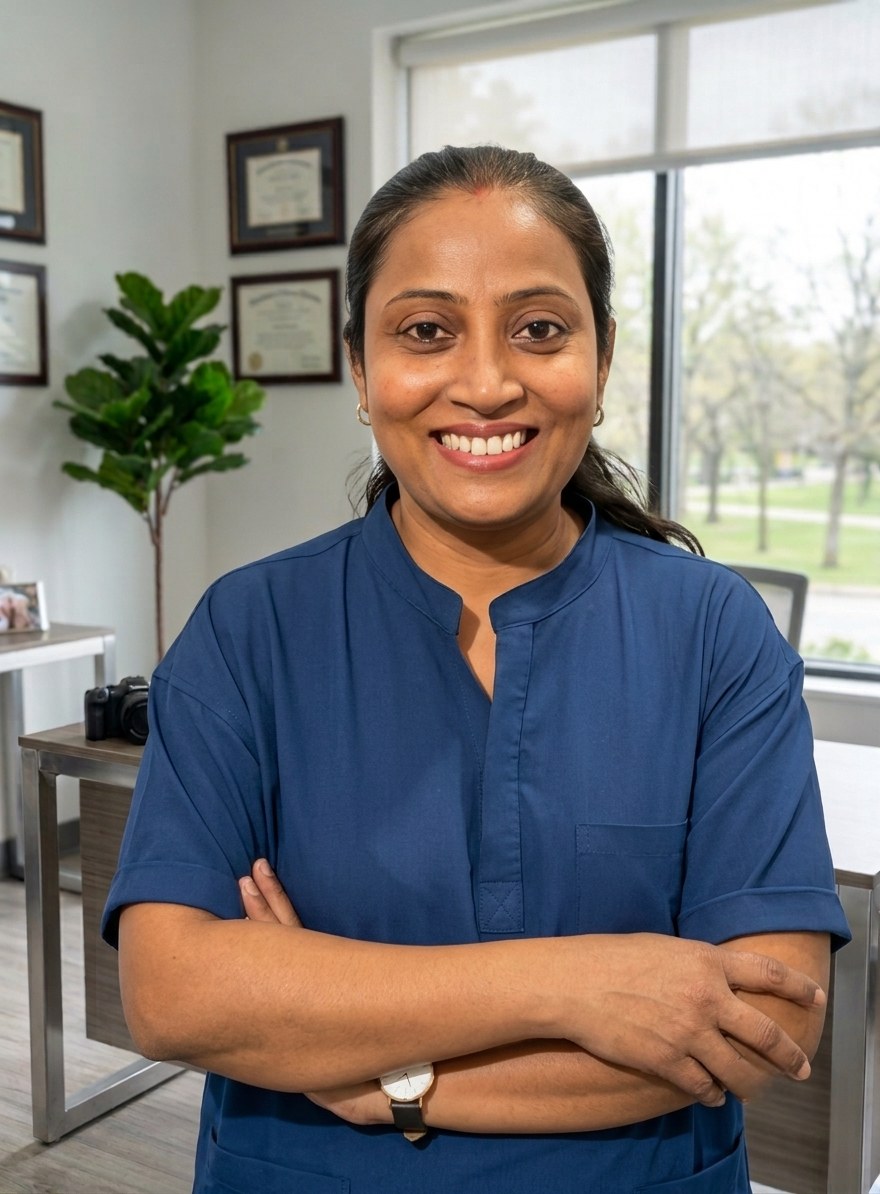
Dr. Amrita Pritam
Orthodontist & Cosmetic / Smile Design Specialist, Oro Care & Orthodontic Centre