Most parents are surprised to hear that the recommended age for a first orthodontic check-up is around 7 — well before most children have all their adult teeth. The American Association of Orthodontists formally recommends every child be screened by this age. It's not about starting treatment early; it's about catching things early enough that guiding them is easier and less invasive.
Why age 7, specifically?
By around this age, there's usually a mix of baby and permanent teeth present, enough for an orthodontist to spot developing issues — crowding, a crossbite, a jaw growth imbalance, or a bad habit like prolonged thumb-sucking affecting the bite. Many of these are far simpler to influence at this stage than after the jaw has finished growing.
What the visit actually involves
It's a straightforward, non-invasive assessment: a look at how the teeth are coming in, how the upper and lower jaw relate to each other, and a conversation with you about habits (thumb-sucking, mouth breathing, tongue posture) that can affect development. In most cases, an X-ray helps see what's happening beneath the gumline with teeth that haven't erupted yet.
Most children won't need treatment yet — and that's normal
The most common outcome of a first check-up is simply monitoring — a note to check back in a year or two as more adult teeth come in. Early treatment (sometimes called "Phase 1") is only recommended for specific issues, like a significantly narrow upper jaw or a bite that's actively affecting how the child chews or speaks. It's not the default recommendation, and a good orthodontist won't push for it just to fill a schedule.
Making the visit easy for a child
We keep the pace unhurried and explain everything in simple terms as we go — most children handle it without any fuss once they see it's just looking and counting teeth, nothing uncomfortable. Bringing along any specific concerns you've noticed (grinding at night, breathing through the mouth, a tooth coming in visibly crooked) helps make the most of the visit.
The bottom line
An early check-up costs you very little time and tells you clearly whether there's anything worth watching. If treatment is eventually needed, having a baseline from age 7 means decisions get made with real information, not guesswork.
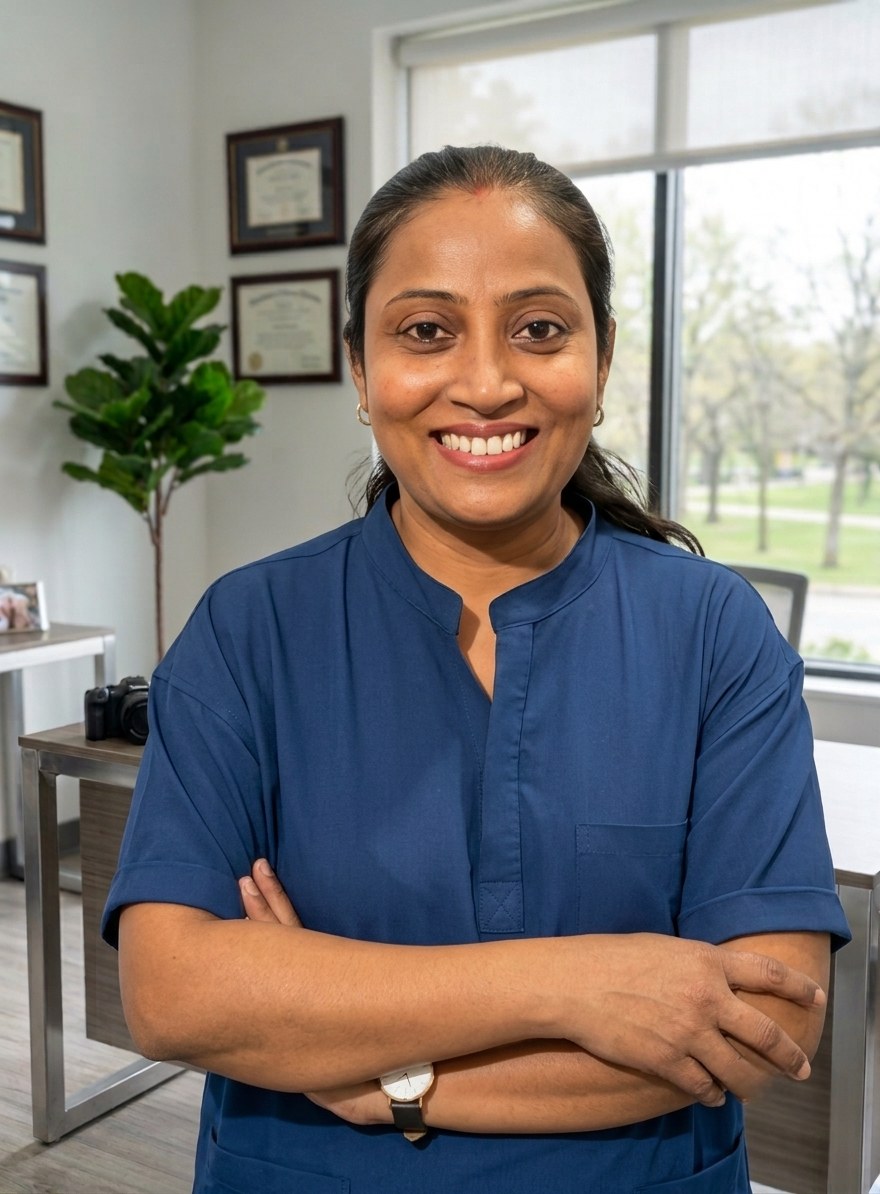
Dr. Amrita Pritam
Orthodontist & Cosmetic / Smile Design Specialist, Oro Care & Orthodontic Centre